Stories in Wax and Flame


Step into the craft of blending and the art of building narrative arcs in artisanal candle sets, where fragrance notes become characters, wax becomes setting, and the wick cues each emotional beat. We will explore how carefully layered accords guide memory, invite reflection, and unfold like chapters, from a bright opening spark to a lingering, resonant finale that keeps whispering long after the last ember softens.

Scent Architecture: From Notes to Narrative

Great candles do more than smell pleasant; they choreograph time. By shaping top, heart, and base notes across a set, you can create a clear beginning, middle, and resolution that invites the nose to follow. Imagine a trilogy where citrus greets, spice converses, and resin consoles, each burn revealing transitions that echo real stories, personal rituals, and cherished places remembered in the glow.

Top Notes that Set the Opening Scene

First impressions matter, and bright top notes carry that responsibility with zesty brevity. Citrus, green leaves, and airy aldehydes lift like a curtain, energizing a room and signaling intent. In a set, this opening candle can serve as the invitation to breathe deeper, clear mental fog, and spark curiosity. Consider cold throw impact, unboxing anticipation, and a quick bloom that previews the emotional path ahead.

Hearts that Hold the Plot

The heart keeps the listener close. Florals, aromatics, soft spices, and gentle woods sustain engagement when the flame settles and the melt pool steadies. Placement within a multi-candle arc lets this middle voice shape mood without overwhelming. Balance comes from moderated dosage, well-chosen bridges, and fixatives that keep the conversation coherent. Design this candle to accompany reading, conversation, or journaling, nurturing thoughtful, slower attention.

Bases that Seal the Resolution

Lasting comfort lives in the base. Resin, amber, musk, vanilla, and balsams create a tender exhale that stays on textiles and memory. In a set, this closing candle should feel like a dusk walk home, steady and restorative. Prioritize adequate cure times and warm, rounded accords that bloom late. Aim for elegant persistence, not heaviness, so the final scene lingers like a gentle promise for tomorrow.

Wax, Wicks, and the Physics of Emotion

Choosing a Wax that Carries a Story

Different waxes narrate differently. Soy brings creamy softness and considered pacing, coconut offers clarity and generous throw, beeswax adds golden body and natural complexity, and refined blends balance stability with nuance. Evaluate fragrance load tolerance, cure time, surface aesthetics, and sustainability. Match wax character to your intended emotional contour. When the medium aligns with message, every hour of burn lands as intentionally as written lines.

Wick Selection as a Rhythm Section

Wicks play percussion for your plot. Cotton wicks can keep a steady, quiet beat, while wooden wicks add a meditative crackle that feels like a fireside confidant. Calibrate diameter to prevent tunneling or mushrooming, and trim for clean cadence. A well-tuned wick controls intensity between candles in a set, shaping crescendos and rests. Record flame height, melt pool width, and sooting to keep rhythm dependable and comforting.

Testing Burn Curves to Match Chapters

A narrative arc deserves a compatible burn curve. Structure sessions to measure first-hour throw, mid-burn balance, and end-of-life grace. Stagger arc lengths across the set, letting the opener deliver quick bloom, the middle sustain even presence, and the closer provide long, restful resonance. Document ambient conditions, wax temperature, and wick trim. Strategic testing converts intention into repeatable performance that respects both mood and safety.

Color, Vessel, and Typography as Subtext

Color can foreshadow emotional turns. A sunrise gradient might support an opening citrus blend, while desaturated plums and deep blues set expectations for contemplative late-burn bases. Consider cultural color associations and lighting environments where the candles will live. Swatch under warm and cool bulbs, then storyboard across the trio. Harmonized hues help the mind relax into the journey, priming receptivity before scent even arrives.
A vessel frames the play. Thick-walled glass stabilizes heat and glows like stained light; stoneware feels artisanal and grounded; tins travel well and invite casual rituals. Lids preserve freshness and stage reveals. Interior diameter and wall height guide melt pool width, influencing throw and pacing across the set. Choose tactile finishes that echo your narrative mood so holding the candle feels like holding part of the story.
Names and copy can whisper directions without spoiling surprises. Short, evocative lines encourage the nose to search for details: dew on citrus skin, pages warmed by afternoon sun, resin softening as evening arrives. Avoid over-explaining; instead, offer signals and spaces for personal meaning. Add a gentle prompt on the base label inviting readers to share their moment or subscribe for behind-the-flame drafts, tests, and seasonal epilogues.

Blend Building: Accord by Accord

Formulation is choreography in miniature. Draft accords that each serve a scene, then weave them with balance, clarity, and safe dosage. Track flash points, IFRA categories, and allergen disclosures while protecting creativity. Anchors ground, bridges smooth transitions, and sparkles enliven entrances. Prototyping with restraint reveals what actually sings. The goal is not maximal intensity but intentional movement, where each candle complements the others without stealing their lines.

01

Sketches in a Scent Notebook

Start as a perfumer would: rough sketches that chase an impression rather than perfection. Use scent strips, triangle tests, and small glass vials to audition ideas. Log percentages, evaporation curves, and unexpected harmonies. Capture memories that arrive mid-test—a rainy station platform, a citrus peel shared among friends—because these lived details become anchors. Iteration uncovers arcs your first draft could not see, inviting surprise into the set.

02

Anchors, Bridges, and Sparkles

Think in roles. Anchors are your bases that steady attention; bridges live in the heart and knit disparate moments; sparkles sit on top to brighten and beckon. Favor transparent structure over clutter. A restrained vanilla and soft musk can anchor; a tea nuance can bridge citrus and woods; a whisper of aldehydes can sparkle. When each role is respected, the trio converses clearly, gracefully sharing the stage.

03

Curing, Throw, and Honest Evaluation

Time reveals truth. Allow proper cure windows so wax and fragrance resolve into harmony before judging throw or balance. Compare cold and hot behavior, then invite blind testers to describe mood shifts over time. Track tunnels, wet spots, and wick behavior alongside impressions. Celebrate pleasant surprises, retire muddled blends, and document learnings generously. Honesty keeps the final arc cohesive, inviting repeat lighting and genuine emotional connection.

Narrative Structures for Candle Sets

Structure turns scattered beauty into momentum. A three-candle arc can echo a three-act path, a day’s rhythm, a journey through places, or a cycle of rituals. Define what each flame contributes, then compose transitions that feel inevitable. Share a guiding sentence with customers to frame expectation. When the final candle dims, the story should resolve with gratitude, inviting reflections, photos, and replies that keep community embers warm.

Ethics, Allergen Safety, and Authenticity
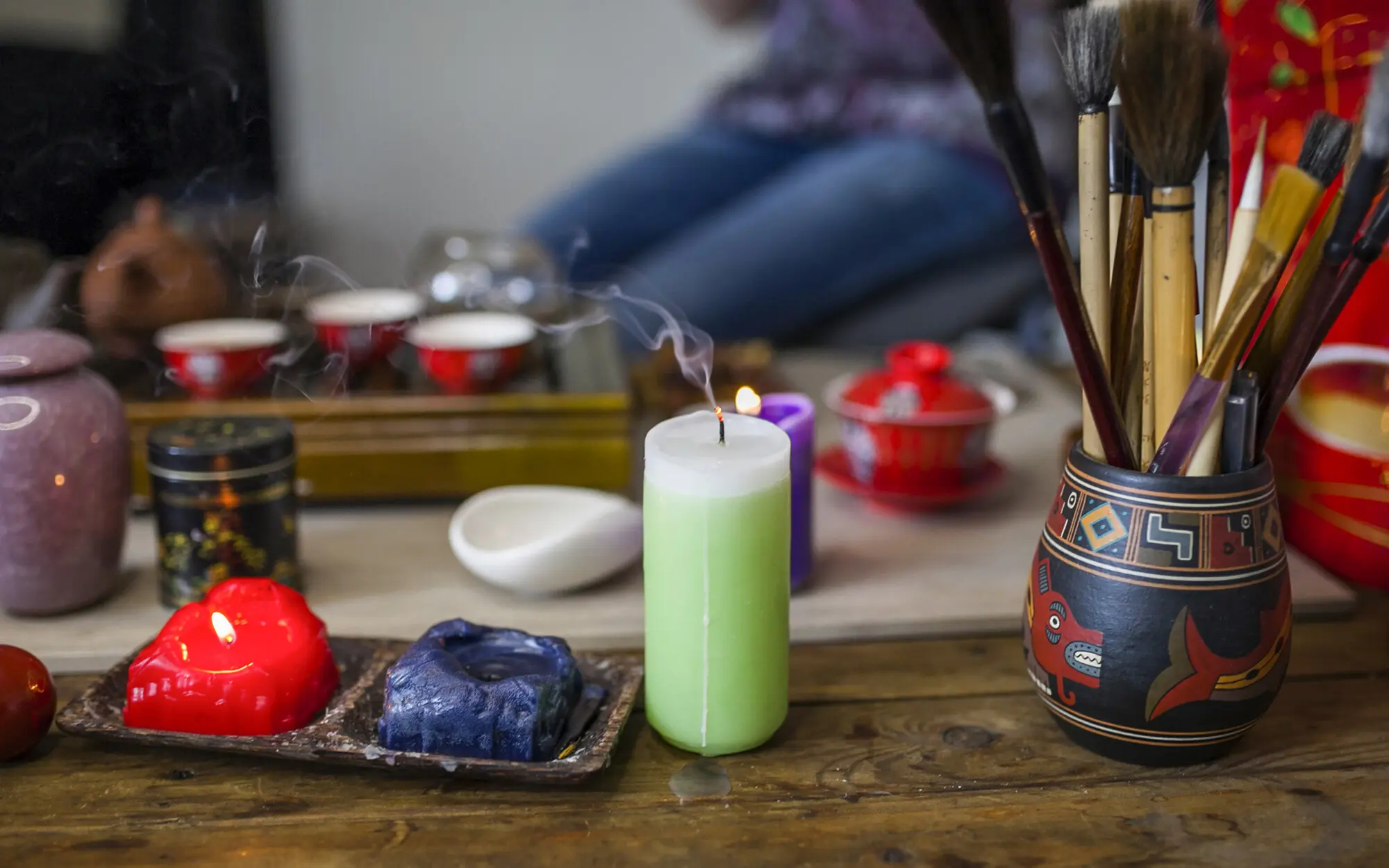
Integrity keeps beauty trustworthy. Follow IFRA guidance, disclose allergens, and label clearly so delight never hides risk. Source waxes and wicks with care for workers and ecosystems. Be transparent about naturals and synthetics, prioritizing performance and sustainability rather than ideology. Explain choices openly, invite questions, and publish test notes. When safety, honesty, and craft align, customers relax, breathe, and return, confident that each flame cares for their space.